

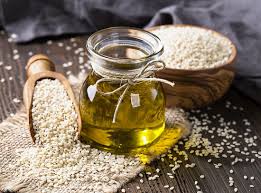
Sesame seed oil, cold pressed, organic
Sesame Seed Oil, cold pressed, organic
History
Sesame seeds (Sesamum indicum) are among the oldest cultivated oilseeds in the world, with their use dating back more than 3,000 years. Originating in ancient Mesopotamia and the Indus Valley, sesame oil was valued as a precious ingredient for both food and traditional healing practices. In ancient Egypt, sesame oil was used for cooking and herbal remedies, while in China and Japan it became a staple culinary oil. Today, sesame oil is widely used throughout Asia, the Middle East, and around the world for its unique flavor and beneficial properties.
Flavor Profile
Sesame oil has a rich, nutty aroma and a distinctively warm, slightly sweet flavor. Cold-pressed sesame oil has a milder taste, while toasted sesame oil offers a deep, roasted character that enhances a wide variety of dishes.
Its pleasant taste makes it a versatile ingredient in both everyday meals and gourmet recipes.
Culinary Uses
Sesame oil is highly valued in international cuisine, particularly in Asian, Middle Eastern, and Mediterranean dishes. It is ideal for:
-
Salad dressings, dips, and marinades
-
Seasoning vegetables, pasta, rice, and noodles
-
Stir-frying, sautéing, and finishing dishes
-
Flavouring soups, sauces, and spreads
-
Vegan and plant-based cooking
Cold-pressed sesame oil is best used uncooked or at low to medium temperatures to preserve its natural nutrients, while toasted sesame oil is perfect for enhancing the flavor of cooked dishes.
Sesame Oil in Ayurveda
In Ayurveda, sesame oil is known as one of the most important therapeutic oils and is considered warming, grounding, and nourishing. It is used externally for massage (Abhyanga) to promote circulation and balance the body, as well as internally to support digestion and general vitality. Ayurvedic tradition regards sesame oil as beneficial for Vata and Kapha balance due to its warming and moisturizing qualities.

Scientific Research & Antioxidants
Sesame oil is rich in naturally occurring antioxidants such as sesamin, sesamolin, and sesamol, which have been studied for their potential protective effects against oxidative stress. Research indicates that these lignans may support healthy cellular function and stable lipid balance.
Sesame oil is also a source of:
-
Vitamin E (tocopherols)
-
Polyunsaturated fatty acids
-
Phytosterols
These nutrients are associated with maintaining heart health, skin vitality, and overall wellness.
Healthy Diet Recommendations
Sesame oil can be enjoyed as part of a balanced diet. Suggested daily use:
-
1–2 teaspoons per day added to salads, cooked dishes, or smoothies
-
Replace refined fats with natural cold-pressed oils
-
Combine with other healthy fats such as olive oil and flaxseed oil for diverse fatty acid intake
For external use, we offer convenient 50 ml and 100 ml packaging — learn more here.
Use for pets:
Sesame seed oil is recommended for dogs. Learn more here.
Fatty acid content in sesame seed oil per 100 g
Saturated fatty acids – 18 g
Unsaturated fatty acids – 82 g, including:
Oleic acid (Omega-9) – 42 g
Linoleic acid (Omega-6) – 39 g
Alpha-linolenic acid (Omega-3) – 1 g
Shelf life: 10 months
Country of origin of sesame seeds: Outside the European Union
Place of oil production: Germany
Packaging by: SIA “Oil Tree”, Piedrujas Street 11, Riga, phone +371 25601297
Organic control authority:

LV-BIO-01
Cart
Cart is empty.